LTL Freight for Pallet Buyers: Costs, Accessorials, and How to Save
September 25, 2025 · By Liquidation Stock Direct Team
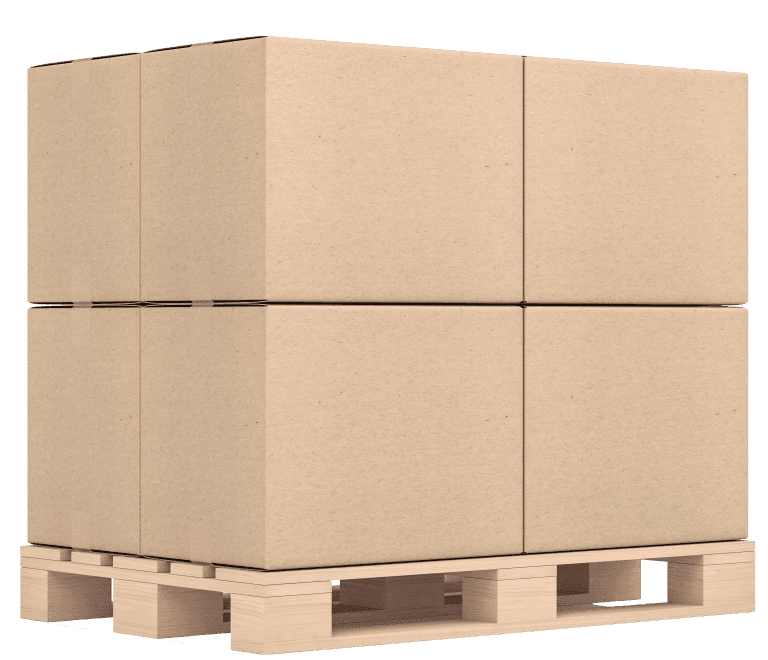
The first pallet Dana bought looked like a steal. A mixed general-merchandise load, priced right, sitting on a site she trusted. The LTL freight shipping quote she got up front looked reasonable too, so she paid it and waited. What showed up nine days later was a second invoice: a liftgate charge, a residential-delivery fee, a limited-access surcharge, and a reconsignment line she had never heard of because the driver could not find her street on the first attempt. The pallet was still profitable. Barely. The freight had eaten roughly a third of the margin she thought she was buying.
That is the trap with LTL freight. The number on the quote is almost never the number you pay, and the difference is a stack of surcharges called accessorials that most first-time pallet buyers do not know to ask about. Let me walk through how the quote actually gets built, which fees do the real damage, and when it is smarter to skip freight entirely.
What LTL Freight Actually Is
LTL stands for less-than-truckload. When your pallet does not fill a whole 53-foot trailer, the carrier combines it with other shippers' freight on the same truck, and you pay for the slice of space and weight you use instead of the whole thing. For a single pallet, or two or three, that shared model is usually the only freight format that makes sense. Full-truckload pricing only starts to win when you are moving a truck's worth of pallets at once.
The base LTL rate is built from a few inputs: the freight class of your goods (a number from 50 to 500 based on density, value, and how easily the stuff gets damaged), the origin and destination zip codes, and the total weight. A dense, sturdy pallet of tools rates a low class and ships cheap per pound. A light, bulky, fragile pallet rates a high class and costs more to move the exact same distance. That base rate is what most quotes show you. It is also where the honesty usually stops.
Accessorials: The Fees That Wreck Your Margin
Accessorials are add-on charges for anything the carrier has to do beyond picking a pallet up at one dock and setting it down at another. None of them are scams. Most of them are avoidable once you know they exist. The ones that hit pallet buyers hardest:
- Liftgate service. No loading dock or forklift on your end? The truck needs a hydraulic liftgate to lower the pallet to the ground, and that adds a flat fee. It can apply on both pickup and delivery if neither side has a dock.
- Residential delivery. Shipping to a house instead of a commercial address triggers its own surcharge, because residential streets are slower and tighter for a big rig.
- Limited-access delivery. Farms, storage units, schools, churches, and anywhere the carrier decides is hard to reach can each count as limited access, with a separate fee attached.
- Notification or appointment. If the carrier has to call ahead and schedule a delivery window instead of just backing into a dock, that coordination gets billed too.
- Reweigh and reclass. If the carrier weighs your pallet and it comes in heavier than you declared, or decides your freight class was wrong, they correct it and bill the difference. Say you declared a pallet at class 100 and it gets bumped to 150 because it came in lighter and bulkier than the numbers you gave. The carrier reprices it at the higher class and sends the correction after delivery. Guessing low to shave the quote is exactly how this one bites back.
- Reconsignment or redelivery. Miss the delivery window or send the driver to the wrong spot, and getting the pallet back to you becomes a fresh charge.
Stack two or three of these on a single residential pallet and you can add a real chunk to a freight bill that looked cheap on the quote screen. That is precisely what happened to Dana. Every surprise line on her second invoice was an accessorial she was eligible for and never saw coming.
How to Actually Save on LTL Freight Shipping
You cannot negotiate the laws of freight class, but you can stop volunteering for surcharges. A few habits keep the bill honest:
- Declare weight and class accurately. The reweigh fee exists to punish optimistic guessing. Measure and weigh the load, or get the real specs from the seller, and quote the true numbers.
- Ship to a commercial address if you possibly can. A friend's shop, a shared warehouse, a business you have an arrangement with. Killing the residential and liftgate fees in one move is the single biggest lever most home-based resellers have.
- Consolidate shipments. Two pallets on one bill of lading beats two separate LTL shipments almost every time, because the base charges and accessorials do not double cleanly.
- Get the all-in quote in writing. Ask specifically which accessorials apply to your address and your load before you pay, not after. A seller who ships pallets every day can usually tell you on the spot.
- Run the real landed number first. Product cost, freight, and fees together decide whether a pallet is worth buying. Our landed-cost calculator lets you model the total before you commit, and the pallet ROI estimator sitting next to it on the same tools page turns that landed number into a projected return, so a cheap-looking pallet with an ugly freight profile does not surprise you the way Dana's did.
When Pallet Breakdown Beats Freight Entirely
Here is the move a lot of small resellers miss. If you are buying one or two pallets and shipping to a house or a small unit with no dock, LTL freight plus its accessorials can cost more than the smarter play: not shipping a pallet at all.
That is the whole idea behind our Pallet Breakdown Service. Instead of moving a shrink-wrapped pallet by freight, the warehouse repacks the same inventory into standard ground-shippable cartons and sends them by parcel carrier. No liftgate, no residential surcharge, no appointment, no limited-access fee, because none of those accessorials exist in the parcel world. You get a tracking number on every box and delivery to any address, including the rural and residential ones freight carriers charge a premium to reach.
The rough dividing line looks like this. One or two pallets to a small or residential address, breakdown usually wins. Three or more pallets to a real dock or a freight forwarder, traditional LTL freight usually wins on price per pound. International buyers often run both at once, shipping broken-down cartons to a US freight forwarder who consolidates everything onto a single overseas bill of lading. That guide walks through the customs and landed-cost side for anyone importing pallets across borders.
Buy the Freight, Not Just the Pallet
The pallet price is half the decision. The freight profile is the other half, and it is the half that quietly determines whether you actually made money. Before you buy, get the honest all-in quote, know which accessorials your address triggers, and weigh it against breakdown shipping on smaller loads. Then browse the liquidation pallets that fit your setup, and check the freight and breakdown FAQ for how each option works on a specific load. The best pallet buyers are not the ones who find the cheapest freight quote. They are the ones who already know what the real bill will say before it lands in the inbox.
Ready to source your next lot?
Browse fresh liquidation lots and pallets, ready to ship.


